
Choosing your wedding dress is only one part of creating your complete bridal look. The right shapewear can help you feel supported and comfortable while creating a smooth finish underneath your gown. However, not every type of shapewear works with every dress.
From the neckline and silhouette to the fabric and fit, several factors can influence which option is right for you. This wedding dress shapewear guide explains what to consider before choosing shapewear for your special day.
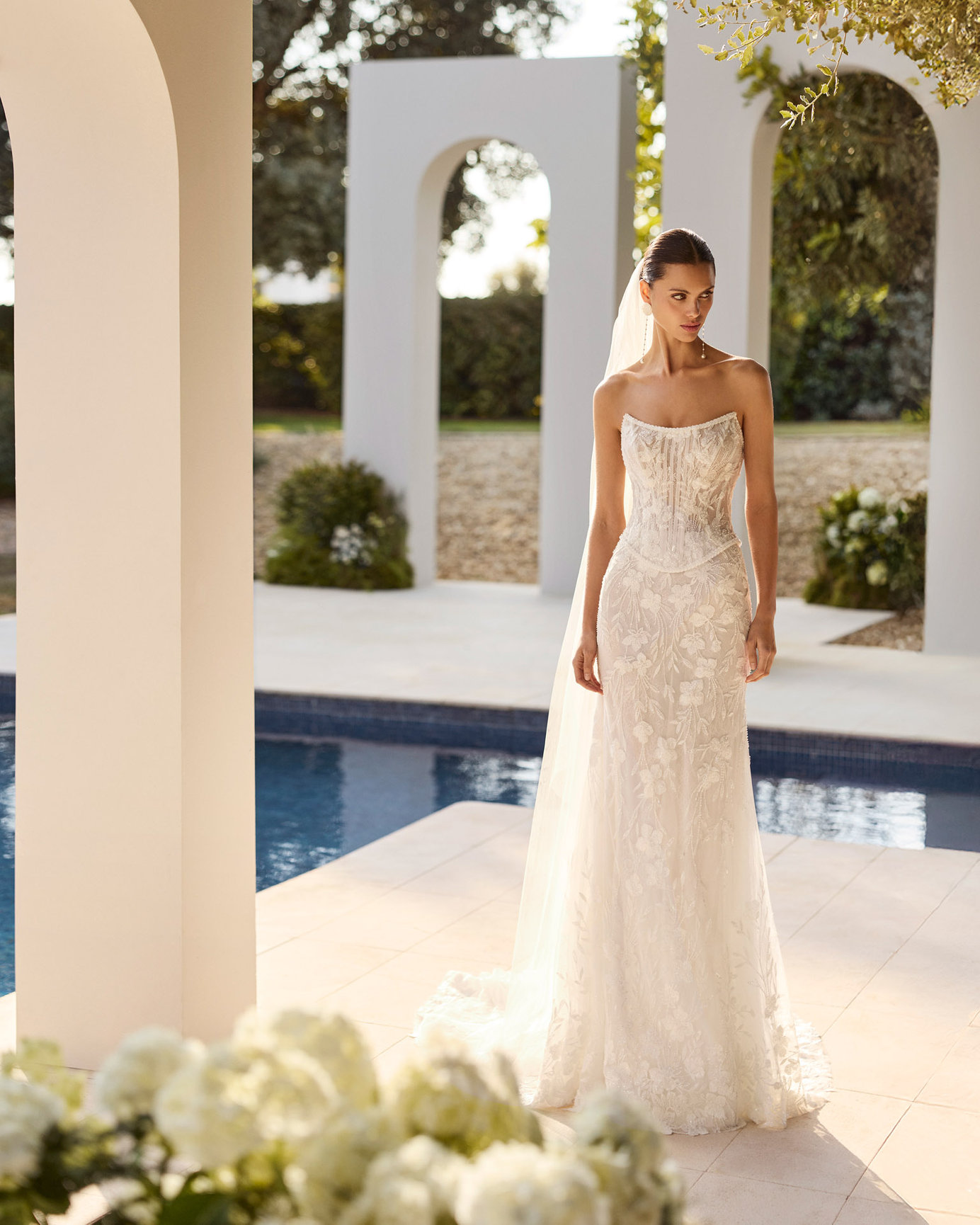
Do You Need Shapewear Under Your Wedding Dress?
Not necessarily. Shapewear is completely optional and should be chosen based on your personal preferences, your dress and what makes you feel comfortable.
Some people like the additional support and smoothing effect shapewear can provide, while others prefer to wear their dress without it. Your wedding dress should fit and flatter your figure without requiring shapewear.
If you do choose to wear it, the goal should be to enhance your comfort and confidence rather than change your body.
Consider Your Wedding Dress Style
Your gown style is one of the most important factors to consider when choosing shapewear. Different silhouettes, necklines and back designs can require different types of support.
For example, a fitted gown (like the Odin gown by Rosa Clara) may benefit from smoothing shapewear, while a fuller A-line skirt (like the Benedet by Pronovias Privée) may require less coverage. A strapless gown (such as the Odette wedding dress by House of Savin) may call for a strapless or low-profile option, while a backless design requires shapewear that will not be visible.
Understanding bridal shapewear for different dress styles can help you avoid choosing an option that shows through your gown or restricts your movement.
Think About the Level of Coverage You Want
Shapewear comes in different lengths and levels of coverage. You might choose a high-waisted style, bodysuit, briefs, or shorts depending on the areas you want covered and your dress design.
A high-waisted option can smooth the waist and stomach, while longer styles can create a seamless look through the hips and thighs.
Consider which areas you want supported and how the shapewear will work with your gown's construction. You don't need a highly compressive option if a lighter style gives you the finish and support you want.
Prioritise Comfort
Your wedding day will likely involve hours of walking, standing, sitting, dancing, and celebrating. Shapewear that feels comfortable for a short fitting may feel very different after wearing it all day.
Look for comfortable bridal shapewear for all-day wear that fits securely without digging into your skin or making it difficult to move. You should be able to sit, walk and dance without constantly thinking about what you are wearing underneath your dress.
Breathable materials and a good fit can also make a big difference, especially if you are getting married in warmer weather.
Pay Attention to the Fit
One of the biggest mistakes you can make with shapewear is choosing a size that is too small because you assume tighter means better.
Shapewear should provide support and smoothing without causing discomfort. If it is excessively tight, it can create unwanted lines, feel restrictive and become uncomfortable throughout the day.
When considering how to choose wedding dress shapewear, focus on your measurements and the manufacturer's sizing recommendations rather than automatically choosing a smaller size.
Check for Visible Lines and Seams
Your wedding dress may be made from delicate or closely fitted fabric that can reveal what is underneath. Seams, waistbands and edges can sometimes become visible through the gown.
Try your shapewear underneath your actual wedding dress before the big day. This allows you to see how the two pieces work together and whether anything is visible from the outside.
Seamless designs can be particularly useful under fitted or lightweight gowns where even small lines may be noticeable.
Consider the Colour
The colour of your shapewear can also affect how it looks underneath your gown. A nude or neutral shade that works well with your skin tone is often a practical choice, particularly if your wedding dress has lightweight or slightly sheer fabrics.
However, the right choice depends on your dress. The most important thing is ensuring that the shapewear does not show through the fabric or distract from the overall look of your gown.
Try Everything Together Before Your Wedding
It is a good idea to try your shapewear with your wedding dress before the wedding day. This gives you an opportunity to check the overall fit, comfort and appearance.
Move around in your gown, sit down, walk and try a few dance movements. Pay attention to whether the shapewear stays in place and whether you notice any uncomfortable pressure points.
This is also a good time to check how your underwear, shapewear and other accessories work together as part of your complete bridal outfit.
So, What Shapewear Should You Wear Under Your Wedding Dress?
There is no single answer that works for everyone. The best choice depends on your gown, your preferred level of coverage and the type of support you want.
Consider the following:
- Fitted or mermaid gowns: Smoothing shorts or high-waisted shapewear may help create a seamless finish.
- A-line gowns: You may only need light smoothing or support around the waist.
- Strapless gowns: Look for options without visible straps or waistbands that could interfere with the dress.
- Backless gowns: Choose designs specifically made to work with an open back.
- Lightweight or fitted fabrics: Seamless shapewear can help reduce visible lines.
The best shapewear for wedding dresses is ultimately the option that works with your particular gown and allows you to feel comfortable and confident.
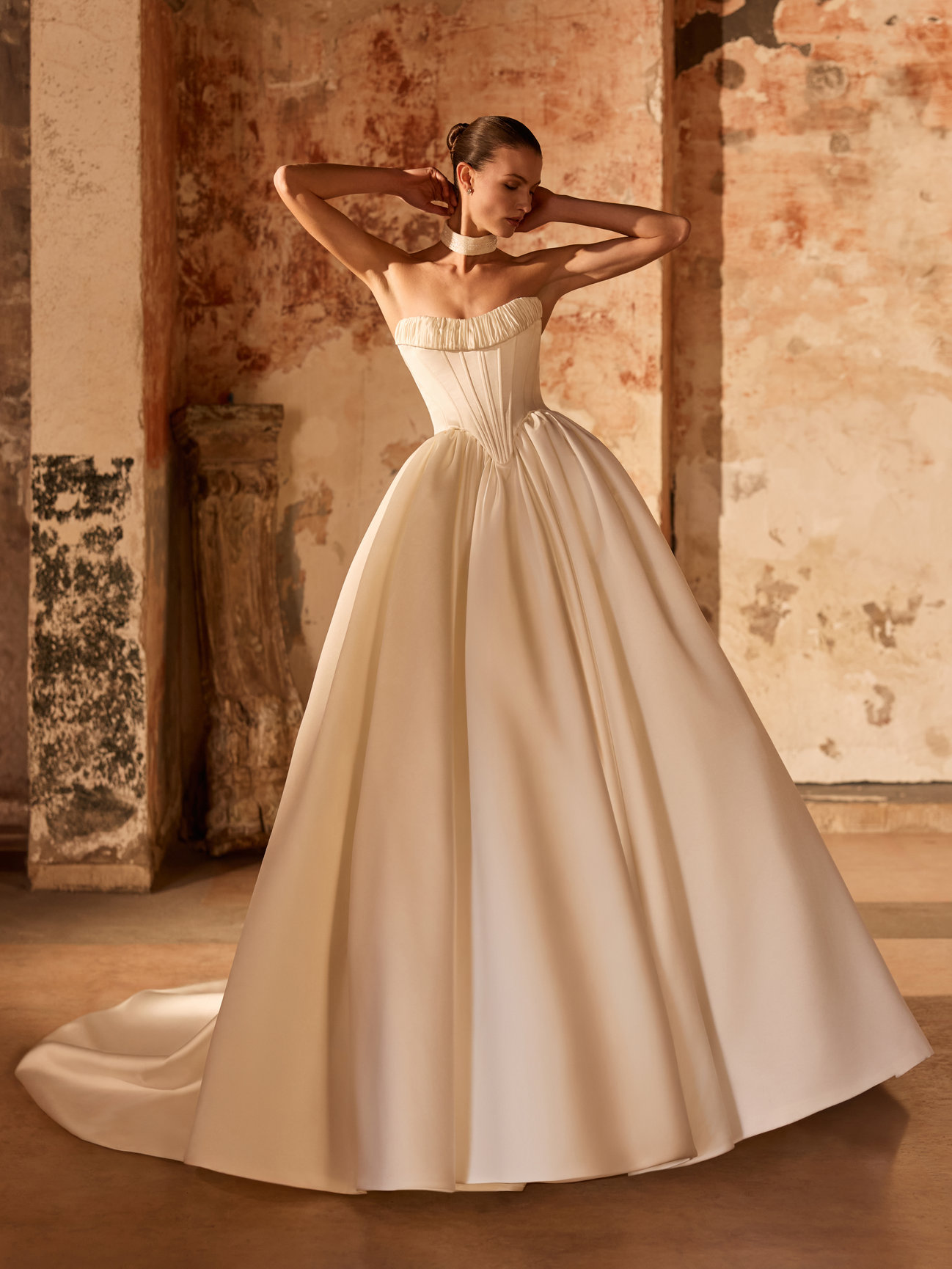
Find What Works for You
There is no requirement to wear shapewear on your wedding day. If you choose to wear it, the most important thing is finding an option that complements your gown and helps you feel comfortable and confident.
The same applies when choosing your wedding dress. There is no one style that works for everyone, so take the time to explore different gowns and see what feels right for you. At Penrith Bridal Centre, you can explore our bridal collections and discover a range of styles to suit different tastes and preferences.
If you are still deciding on the right gown, book a consultation with our team. We can take you through our collections, discuss the style you are looking for and help you explore gowns that suit you best.
Leave a comment
0 Comments